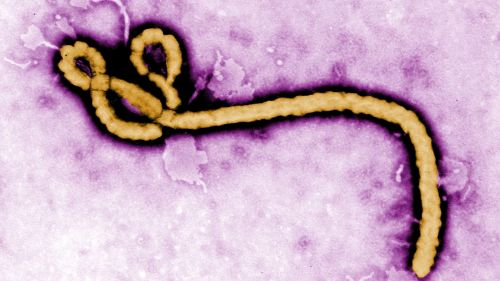
Ebola_virus
The Nigerian government has stepped up public health surveillance, contact tracing and border health measures following the confirmation of an imported case of Ebola Virus Disease in the Federal Capital Territory (FCT).
Government is also urging Nigerians to adhere to preventive measures to curb the potential spread of the virus.
The Coordinating Minister of Health and Social Welfare, Professor Muhammad Ali Pate, disclosed this during an interview on National Television.
He highlighted the country’s preparedness, contact tracing, border surveillance, symptom recognition, prevention and the need to avoid misinformation and stigmatisation.
44 Contacts Tracing and Surveillance Begins
Professor Pate said 44 contacts had been identified for monitoring, following the confirmation of the imported case.
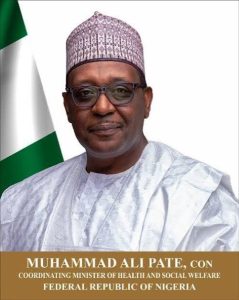
He explained that Nigeria had strengthened its preparedness since May 2026, following the emergence of the Bundibugyo virus outbreak in the Democratic Republic of the Congo (DRC).
According to him, identified contacts would be tested and monitored, while those directed to undergo quarantine must comply with public health instructions to prevent further transmission.
Border Surveillance
The minister said Nigeria had strengthened surveillance at its points of entry through the Nigeria Centre for Disease Control and Prevention (NCDC) and port health services, in collaboration with the aviation industry.
He stated that the travel manifest of the confirmed patient had been obtained to support contact tracing, adding that the patient had travelled to Uganda and developed symptoms after arriving in Nigeria.
Pate said Nigeria had the laboratory capacity to test and confirm the Bundibugyo virus, describing it as an important component of the country’s outbreak response.
Symptoms and Early Reporting
The minister listed possible symptoms of the disease to include fever, headache, nausea, vomiting, body aches and severe muscle pain.
He urged healthcare workers to maintain a high index of suspicion, particularly when attending to patients with relevant travel histories, and advised Nigerians experiencing suspected symptoms to report promptly to health officials for assessment and testing.
Containing Ebola
Pate expressed confidence in Nigeria’s ability to contain the case, recalling the country’s successful response to the Ebola outbreak in Lagos in 2014.
He said experienced public health professionals from that response remained available, alongside additional trained personnel, while the government continued to mobilise relevant agencies and international partners.
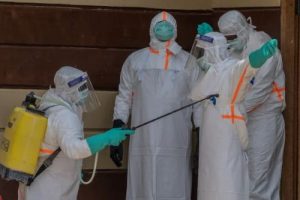
Prevention and Public Cooperation
The minister urged Nigerians to practise regular handwashing, minimise exposure to body fluids and comply with public health advice.
hHe also called on people identified as contacts to cooperate with health officials and follow monitoring and quarantine instructions.
Misinformation and Stigmatisation
Pate cautioned against spreading rumours and stigmatising suspected or confirmed cases, urging Nigerians to rely on credible information from government agencies, the World Health Organisation (WHO) and the Africa Centres for Disease Control and Prevention.
He stressed that although Ebola is a serious infectious disease, it can be contained through effective surveillance, contact tracing, timely testing and adherence to public health measures.
Read More: African Countries Mobilises $100 Funds,70,000 Vaccines For Ebola
About the Author