BANANA LEAVES TURNED INTO WEALTH
A Congolese refugee in Uganda has turned farm waste into wealth.
Banana wastes are being turned into reusable shopping bags, creating work for dozens of women while taking aim at plastic pollution.
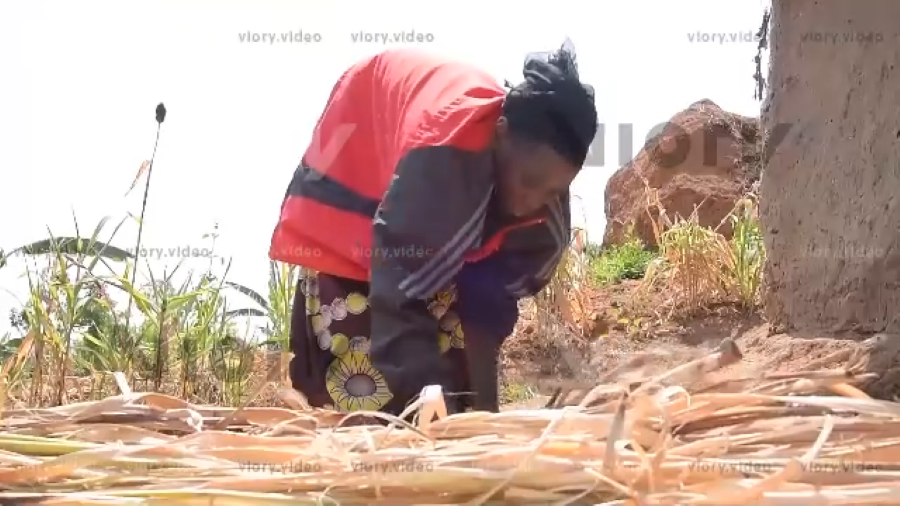
Women training at UBUCHANGE, where dried banana fibres are woven into bags and baskets. Others are seen cutting banana stems from their farms, drying the fibres and selling them on to fellow trainees for production.
Founder Didier Maliki launched the social enterprise after arriving at a refugee settlement in Uganda in 2021. He says he was struck by how heavily local markets relied on single-use plastic bags.
“We faced one challenge when we wanted to go to the market to buy stuff; we could use these polythene bags to buy stuff. And then I remember back in our country, in Congo, especially in all of East Africa, we have one culture. When you want to go to the market, you need to have a kikapu to buy stuff. And then that kikapu can last for more than ten years.”
He began testing discarded banana pseudostems, turning the fibres into what are now sold as Kikapu bags.
“After drying them, you can use them to create all kinds of products,” Maliki said.
The project grew in 2025, after cuts to humanitarian assistance left many refugee families looking for new ways to earn money.
“We wanted women to start thinking about how they could become providers for themselves and their families,” Maliki said.
UBUCHANGE Phenomenon
UBUCHANGE now buys discarded banana stems from local farmers before processing them into weaving material.
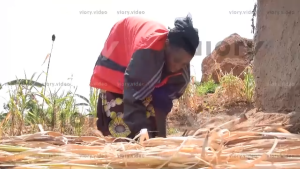
According to Maliki, “We pay farmers 500 Ugandan shillings per banana stem,” . “The stems are cut, dried for several days, softened with water and then woven using traditional techniques from our culture.”
An experienced artisan can finish one bag in around three days. For trainees, the same work can take two to three weeks.
Programme participant Cobina Masika says the training has already helped her earn an income.
“Making baskets has changed my life. It has also improved my health. My hand used to… it stretches my hands, it stretches the veins/muscles in my hand.”
“My message to other communities is to learn this skill because these are the resources we have. We can use them to make money without destroying the environment.”
Maliki says a well-kept banana-fibre bag can last more than five years.
Founded in 2023 by young refugees in Uganda, UBUCHANGE says it works with displaced communities to build practical skills, create sustainable products and sell them directly to buyers.
Read More : Uganda Wan Build New Railway Wey Go Connect Am to Tanzania, Open Big Road for Export
Source : Viory/ Bizna TV/ You Tube
About the Author