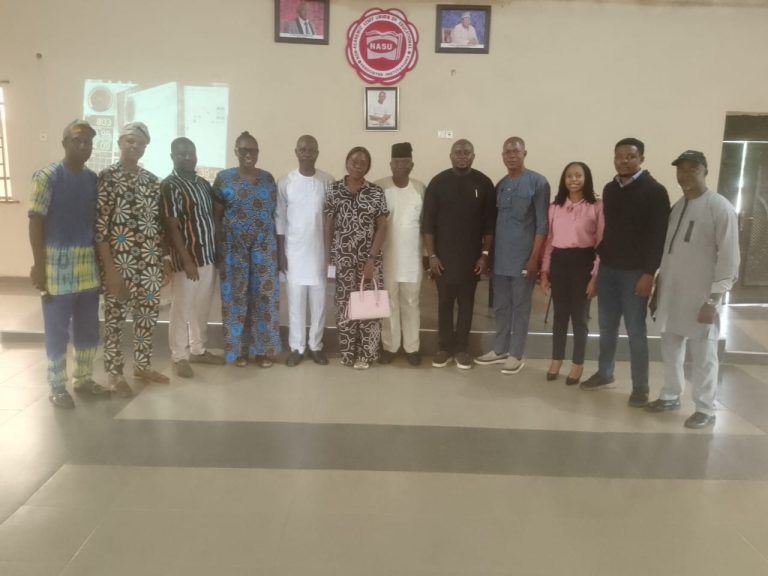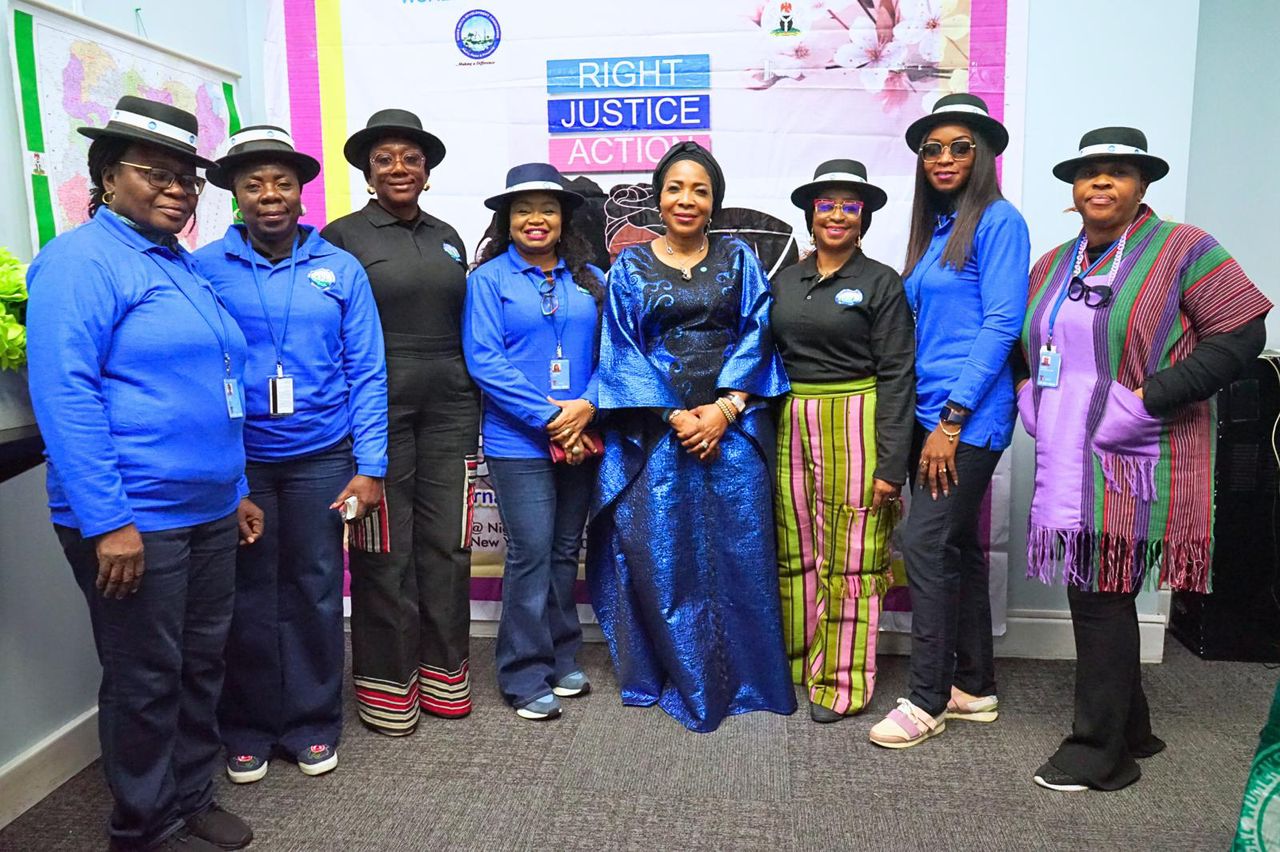
The Niger Delta Development Commission, making its debut at the 70th Session of the Commission on the Status of Women, says it is focused on bridging key gaps in women’s empowerment in the Niger Delta through partnerships, funding, and inclusive leadership.
Director of Culture and Women Affairs, Ahunna Imoni, described the participation as historic while speaking at a side event organised by the commission. “It may interest you to know that we only knew about this programme two days to the close of registration… he approved 12 women directors, and he still said 100% be paid… This is to present a historic milestone for NDDC,” she said.
She added: “We are here to learn. We are here to interact. We are here to network… Let us know the gaps there. Let us see where we can intervene to bridge the gap.”
READ ALSO: AfCFTA Opens Trade Frontier for Nigerian Women – Minister
On interventions, Imoni stated: “More than 600 women across nine states… were trained… The Commission has also supported agricultural empowerment programs… and introduced programs encouraging women’s participation in technical and industrial skills.” She further disclosed: “The Commission approved release of N5 billion… aimed at strengthening women and youth-led enterprises… about 18 women NGOs have received their export licenses.”
Nigeria’s UN Chargé d’Affaires, Syndoph Endoni, underscored collaboration: “Partnership is the order of the day… When you build a woman, you build a community.”
Abia State First Lady, Priscilla Otti, noted that: “We also benefit from NDDC Niger Delta Project… so many women have appointments there.”
Representing civil society, Elizabeth Pedro said: “When a woman is economically empowered, she drives growth… Empowering a woman, you empower a nation.”
Former Permanent Secretary, Timiebi Koripamo-Agary, highlighted progress: “For the first time in over 25 years, women lead key directorates in NDDC… This is historic progress for sustainable development.”
Also, Awwal Musa Rafsanjani from Civil Society Legislative Advocacy Centre added: “Sustainable opportunities mean gender equality as integral to development.”
Global partners also echoed support. Olamide Davis Talabi said: “Sister City Relationships is an open doors to investment… for mutual growth and resilience,” while Ambassador Nesencia Walker noted: “Nigeria has the potential to become one of the top three countries in the economy by 2050.”
Health and diaspora voices, including Dr. Zainab Kwaru and Mrs. Fatima Jidda, stressed targeted healthcare and global linkages for women.
The dialogue reinforced a unified call for inclusive policies, partnerships, and sustained investment to advance women’s leadership and economic participation in the Niger Delta.
Glory Ohagwu/VON
About the Author