AFRICAN WOMEN CONFERENCE

The Convener of the Africa Women Conference, Dr Jummai Ahmadu, stated this at the end of a continental conference in Accra, Ghana.
She told delegates to translate conference resolutions into practical community action, insisting that participation must produce lasting improvements in the lives of African women and girls.
Mrs Ahmadu said the platform was established to enable African women to discuss issues affecting their lives and work across borders. She said breakout sessions allowed women from public service, business, civil society and grassroots communities to contribute directly to the conference resolution.
“When government sits in the office and pushes policies to people, people will not really respond better. When they are part of the planning process, they are waiting on it,” she said.
Commitments Back Home
Ahmadu urged delegates to return home with practical initiatives that would demonstrate the value of their participation.
“Try to see how you can do something in your community that will show that you just came to this conference, not just to come like the usual conferences but to go back and create impact,” she said.
She acknowledged the support of the African Union Economic, Social and Cultural Council (AU-ECOSOCC) and the Nigeria’s Minister of Women Affairs and Social Development, stressing the importance of partnerships.
“Nothing is too small to give, and nobody is too poor to give,” she said, encouraging delegates to extend support to others.
Chairperson of the FCT Area Council Chairmen’s Wives Association, Hajiya Jamila Abubakar, highlighted how international exposure could transform grassroots women’s confidence, aspirations and contribution to community development.
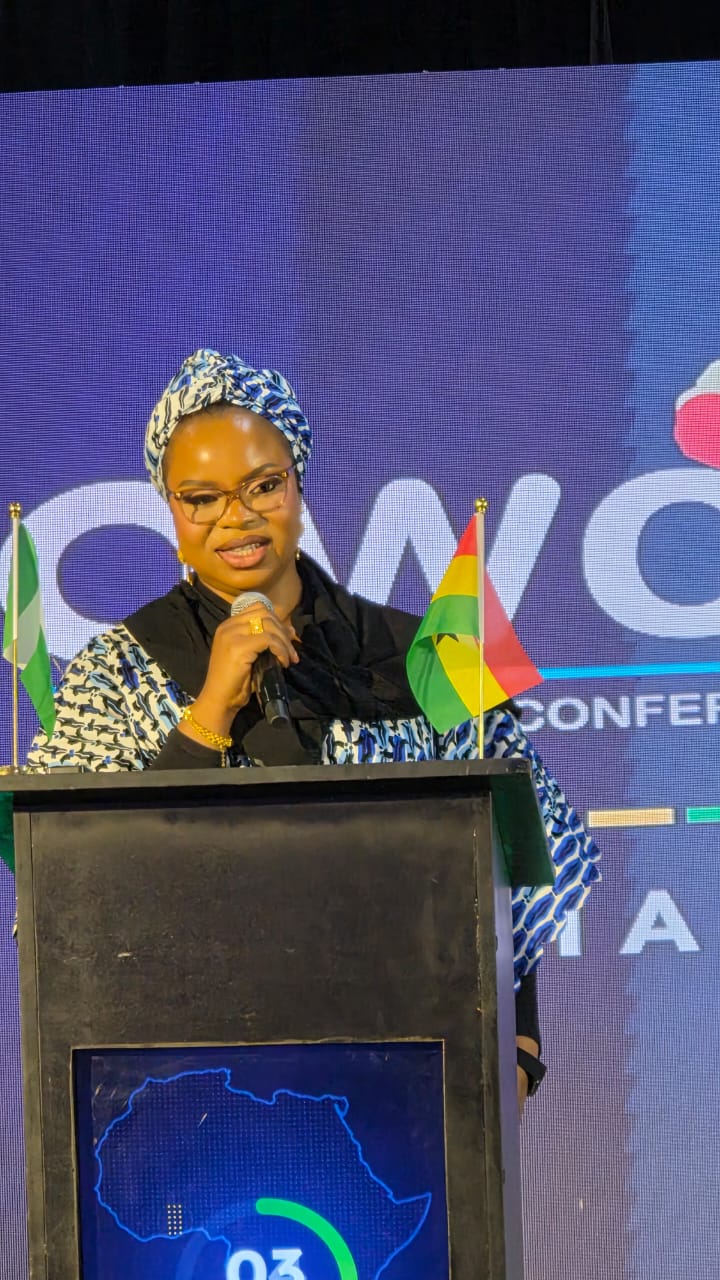
Describing a rural woman attending an international conference for the first time, she said the experience could reshape her perception of her abilities, strengthen her business ambitions and inspire her daughter.
“By the time she returns home, her circumstances may not have changed overnight, but her confidence has. She begins to see her business differently, speak more boldly and encourage her daughter to dream further,” Abubakar said.
She urged delegates to share their learning with women who could not attend, adding: “The value of this conference grows when its lessons reach women who could not be here.”
President of the Association of Wives of FCT Traditional Rulers, HRH Hajiya Hauwa Ibrahim Adamu, urged traditional institutions to use their influence to advance women’s rights, health and inclusion.
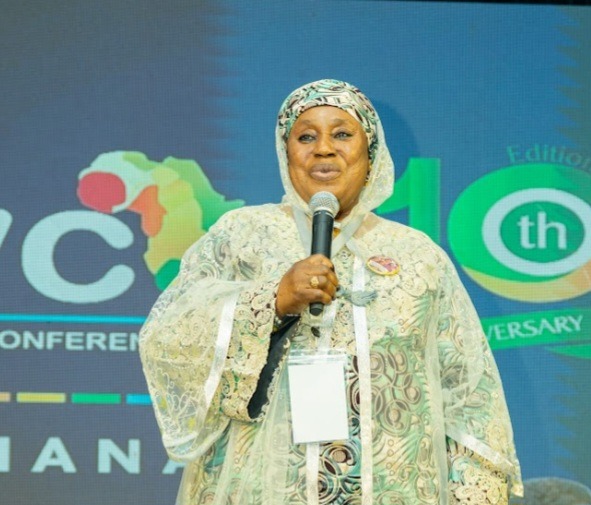
“Our palaces and traditional structures are not merely custodians of culture; they are influential community platforms that can shape attitudes, influence behaviour, promote social justice and protect the dignity and rights of women and girls,” she said.
Veteran Nigerian journalist Mrs Moji Makanjuola identified partnership, funding raised by women for women, and women’s participation in elected governance as priorities.
“The era of pull her down syndrome is over,” she said, urging African women to support one another and build continental partnerships.
Source: VON
About the Author