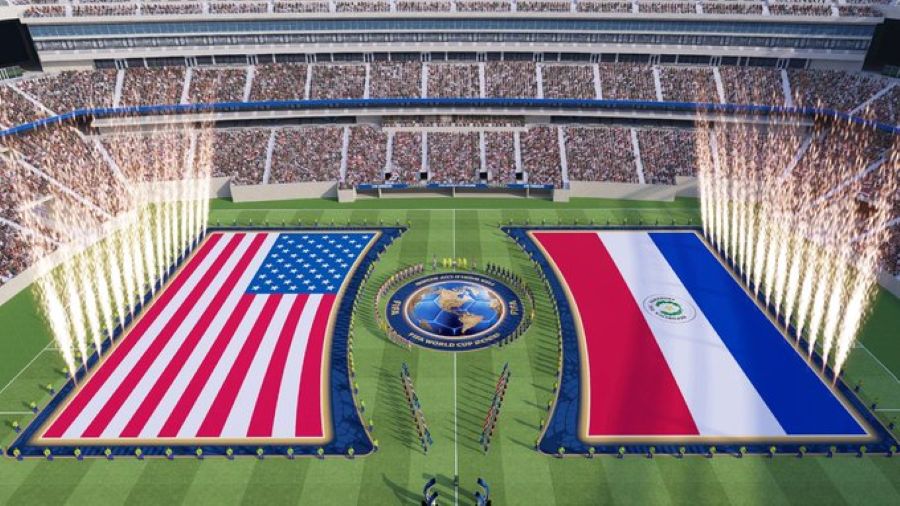
2026 world cup stadium in mexico

What has happened at the 2026 World Cup over the last 48 hours
• Swiss footballer Embolo’s visa was put under review, and he was only able to join his team days later.
• Iraqi national team player Aymen Hussein was held for questioning for nearly 7 hours upon entering the United States.
• The Iranian national team spent days dealing with visa procedures at the U.S. Consulate in Türkiye. The U.S. only allowed them entry on match days. Fifteen members of the delegation were denied visas.
• Omar Abdulkadir Artan, named CAF’s Best African Referee of 2025, was denied a visa. Despite travelling to the U.S. with a diplomatic passport, he was refused entry and sent back. FIFA announced that he will not be able to officiate at the tournament.
• The South African national team arrived in the United States much later than planned because part of the delegation was not granted visas.
• Members of the Senegal national team staff were forced to remove their shoes and subjected to lengthy searches, sparking accusations of racism.
• The Uzbekistan national team was searched with bomb-sniffing dogs and the footage went viral in international media.
• Some Scottish supporters, despite being eligible to enter the U.S. visa-free under the ESTA programme, had their travel authorisations revoked just days before departure.
• Many supporters who had already bought tickets and booked accommodation had their visa applications rejected, resulting in financial losses.
Omar Abdulkadir Artan, a Somali referee denied entry into the US at the at Miami International Airport.
The Africa’s top male referee in 2025, was selected to officiate at the 2026 FIFA World Cup. Had he participated, he would have become the first Somali referee to officiate at the tournament.
However, despite reportedly holding a valid U.S. visa that had been issued following vetting procedures, as well as a diplomatic passport, Artan was denied entry into the United States by U.S. Customs and Border Protection (CBP) upon arrival at Miami International Airport.
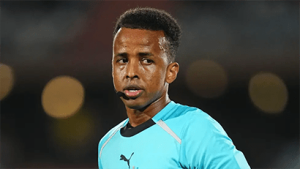
Reports indicate that he was questioned for approximately 11 hours before being refused entry.
A Trump administration official, along with CBP, stated that Artan was deemed inadmissible under the Immigration and Nationality Act due to “derogatory information, including association with suspected members of terrorist organizations.”
The concerns were reportedly linked to possible connections involving Al-Shabaab, an Al-Qaeda-affiliated group operating in Somalia. The head of the White House World Cup Task Force defended the decision, saying it was made for a “very good reason.”
The incident has drawn criticism and sparked debate, particularly because it occurred only months after U.S. President Donald Trump welcomed Syria’s president to the White House and the Oval Office. Syria’s president was previously associated with Al-Qaeda before assuming his current political role.
Critics argue that if concerns about past associations with terrorist organizations were the primary reason for denying Artan entry, then the administration’s decision to host a former member of Al-Qaeda would appear inconsistent.
Some analysts following the situation contend that the decision to deny entry to the Somali-born referee recognized as Africa’s best referee in 2025 and selected to officiate at the FIFA World Cup may have been influenced more by political considerations than by the stated security concerns.
Others have gone further, suggesting that elements of racial bias may have played a role.
They argue that if the decision were solely based on alleged associations with individuals linked to terrorist groups, then the administration would not have welcomed a former Al-Qaeda member, now serving as Syria’s president, to the United States and the White House.
Source: Africa News Line 700/ Julius Malema Updates
About the Author