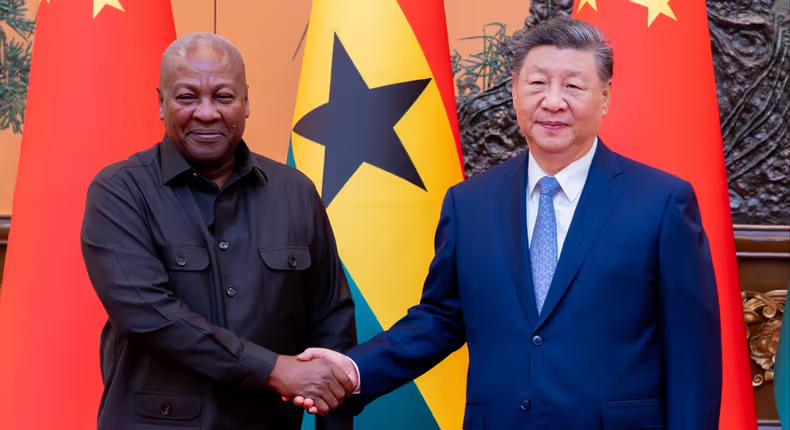
Ghana don make one bold and strategic move. Di West African nation don begin serious courtship of China as a key partner in a plan wey go do two big tings at di same time — cut di kontri heavy $200 million annual palm oil import bill and create as many as 250,000 jobs for Ghanaian citizens through di development of a strong, locally-driven palm oil industry.
Di ambition dey big. Di need dey real. And di timing dey very deliberate.
Why China and Wetin Ghana Fit Gain
China na one of di world largest consumers and processors of palm oil, with decades of experience in agricultural investment and agro-industrial infrastructure. Dia capital, technology, and project execution capacity na exactly wetin Ghana need to move its palm oil sector from small-scale production to industrial-scale output. For Ghana, attracting Chinese investment into di palm oil value chain go mean di difference between a plan on paper and an industry dat actually dey deliver real results on di ground.
250,000 Jobs — Wetin Dis Mean For Ordinary Ghanaians
Di jobs promise na di part wey go resonate most with ordinary Ghanaians. From smallholder farmers wey go get access to better seedlings and guaranteed market linkages, to mill workers, truck drivers, logistics operators, and export specialists — di palm oil value chain go generate employment across many skill levels. For rural communities in Ghana palm oil-producing regions, dis go mean more income for families and a reason for young people to stay and build dia lives at home.
Di Caution Wey Must Come With Di Ambition
Di questions wey must be asked remain important. Wetin be di exact investment terms? How much of di employment go go to Ghanaian workers? Wetin be di land arrangements and environmental safeguards? Civil society and agricultural economists dey already raising these concerns, and di government must answer dem clearly before any final agreements are signed.
Ghana don make di move. Now di real work must begin
About the Author